

By Eksporin Coco · 2026-05-18
From Coconut Shell to Export Container: How Indonesian Charcoal Supply Works
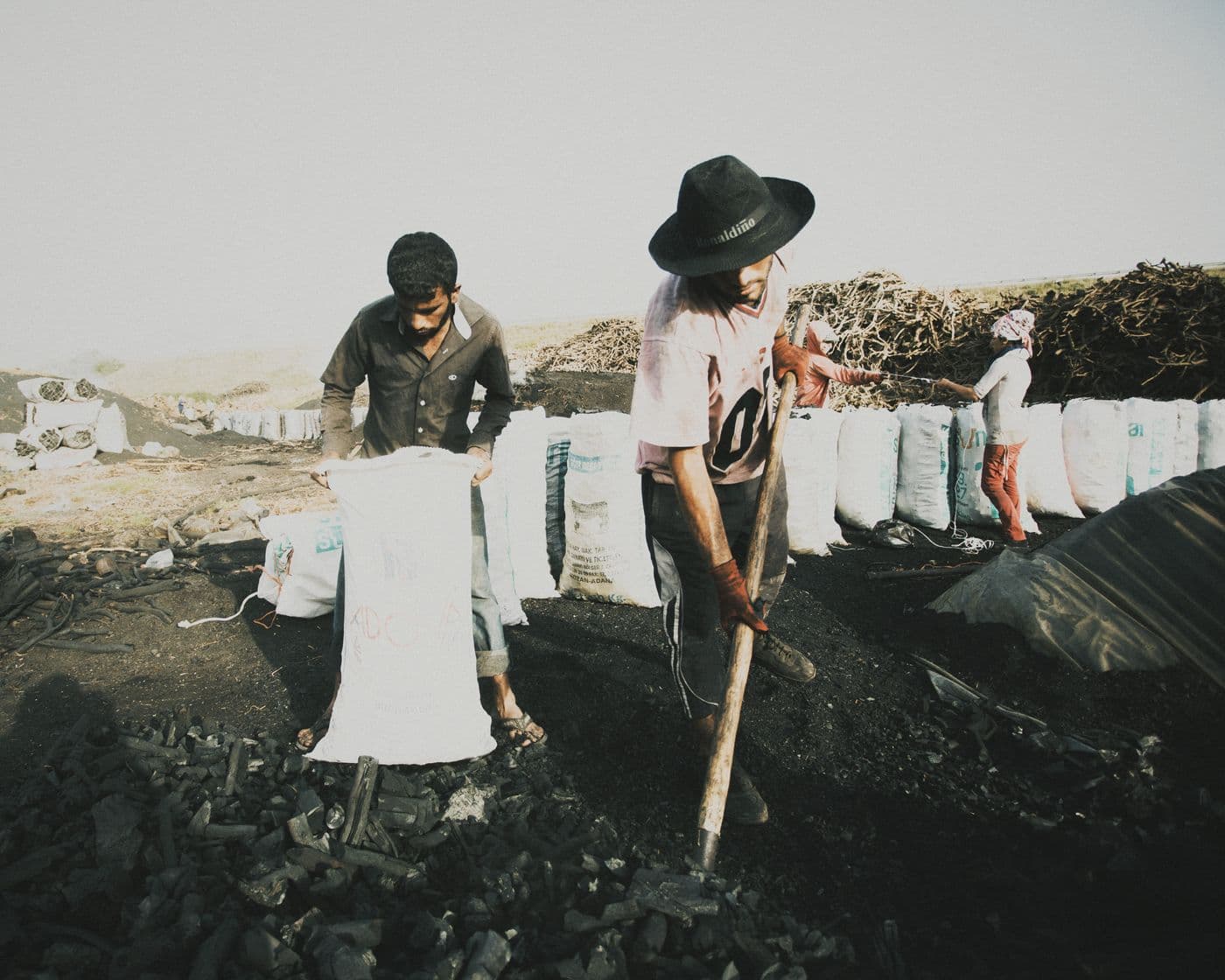
Coconut shell charcoal starts as a by-product of copra and coconut processing. Shells are collected from mills and farms, dried, then carbonized in kilns. The resulting lump charcoal can be sold as-is or crushed, mixed with a food-grade binder, and pressed into briquettes.
Quality control happens in layers: raw shell selection, kiln temperature and time, cooling, screening, moisture checks, and — for briquettes — mixing ratios and drying after pressing. Skipping any of these steps shows up later as sparks, odor, fast burn, or high ash.
Export packing is planned around the buyer’s market. Hookah cubes often go into printed inner boxes and master cartons; industrial lump charcoal may ship in PP or jumbo bags. Photos of packing and stuffing protect both sides if a claim arises after arrival.
A 20 ft or 40 ft container is the usual commercial unit. Loading weights depend on shape, packing, and whether pallets are used. Freight, inspection, and document timing should be agreed together with production lead time.
Eksporin Coco connects this chain — local producers across Indonesia, export packing, and buyer communication — so importers can focus on their market rather than coordinating every village supplier themselves.